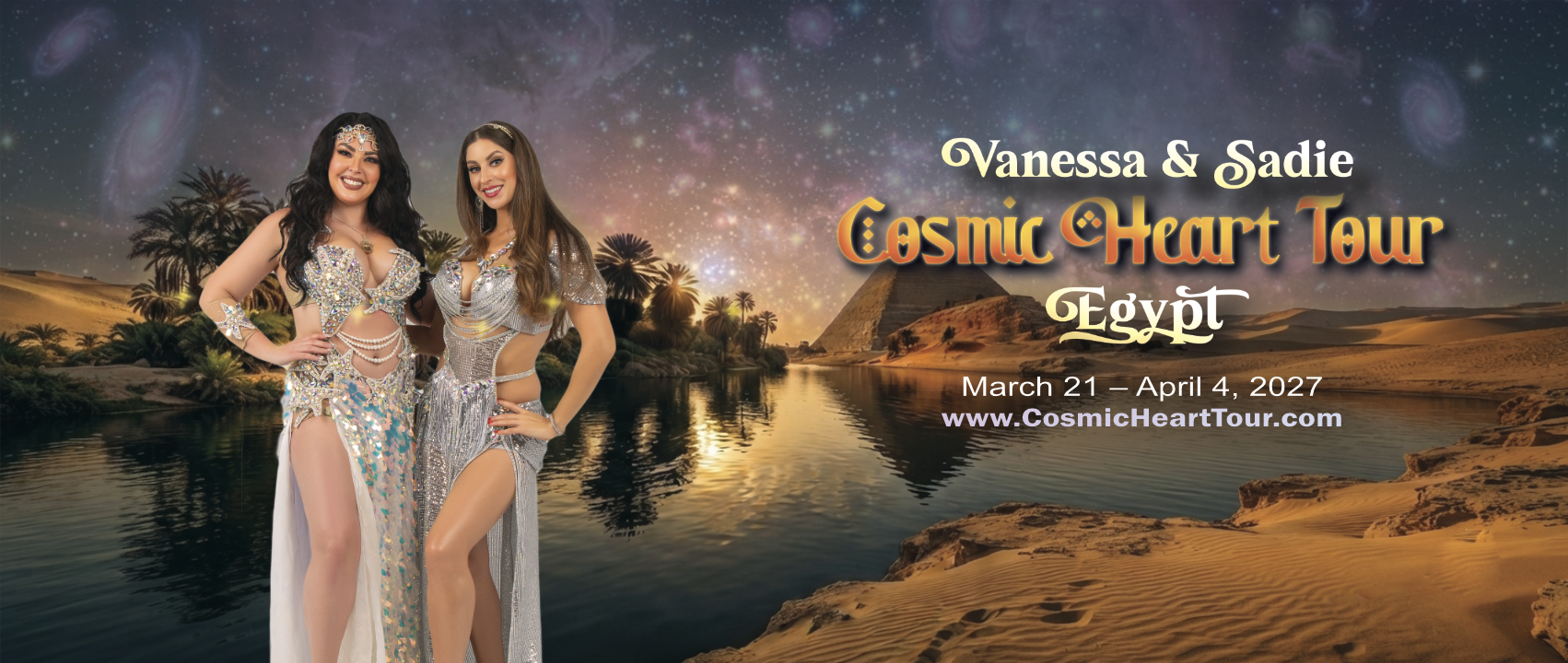
We hope you joined us in in August 2025 for our celebration of dance, music, and culture where we presented an eclectic show featuring Vanessa of Cairo with a mix of performers from the Twin Cities area and beyond.
Tickets: $20 in advance / $25 at the door.
We've added photos from each dance below their description in the program. Check them out to see what you're in store for next time! (We LOVE our photographer, Gabi Rosenthal!! Thanks, Gabi!)
Couldn't make the show? ...Donate
The printable abbreviated program for this show is here.
Dabke
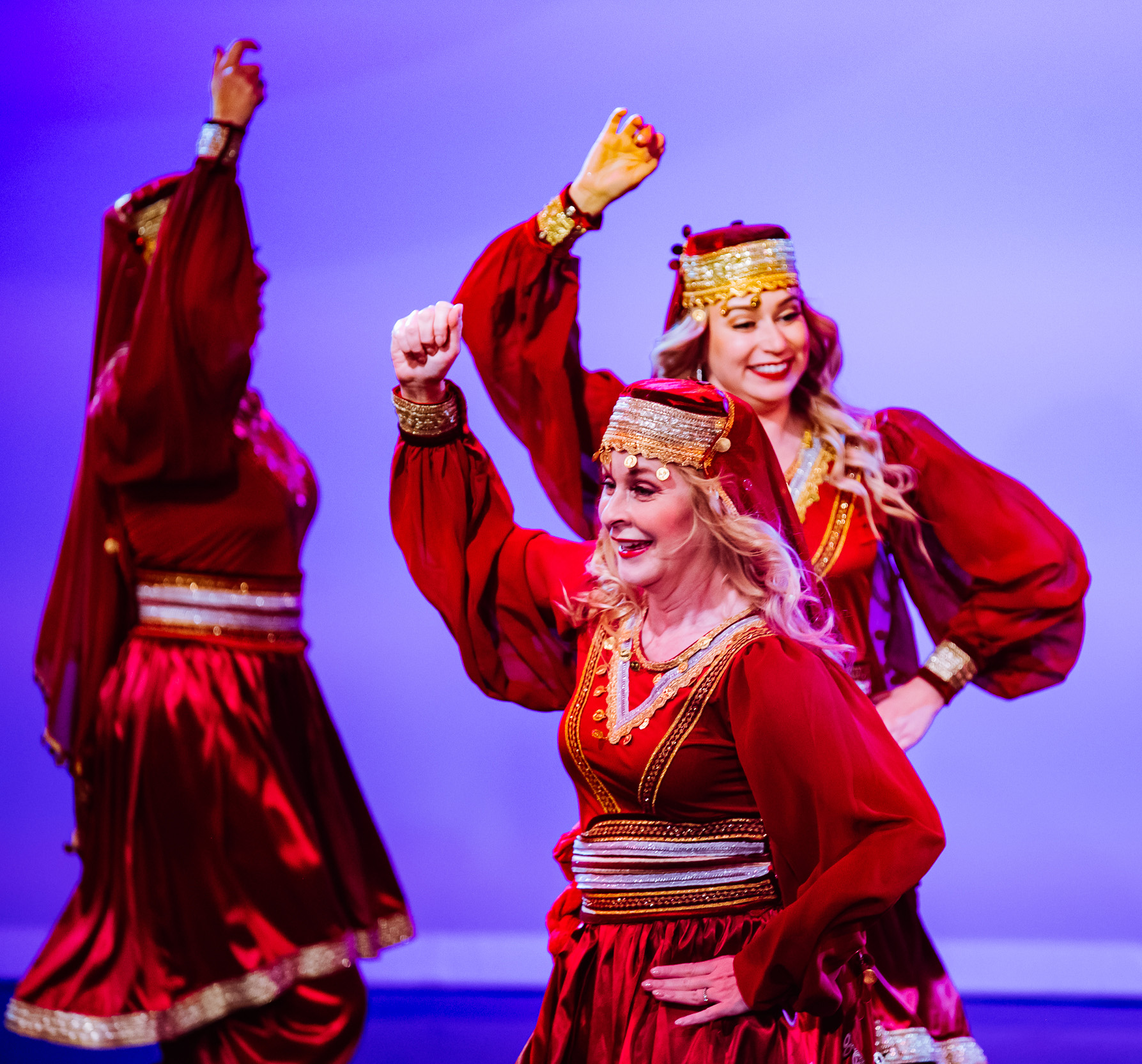
A beloved Lebanese song that carries the spirit of joy, romance, and celebration. The rhythm and energy of this piece make it a perfect expression of the beauty and power of dabke. Tonight’s choreography was created and taught by Moussa & Sandra Faraj, who have dedicated years to preserving and sharing Lebanese dabke. These talented women from Jawaahir Dance have embraced the style, energy, and spirit of the dance, bringing their own strength and elegance to the stage.
Music: Men Sharadlil Ghazala by Toni Hanna
Choreography: Moussa & Sandra
Dancers: Theresa, Meghan, Miriam, Louise, Paula
FFI: jawaahir.org
El Sa’a Wahde Bnos El Leil
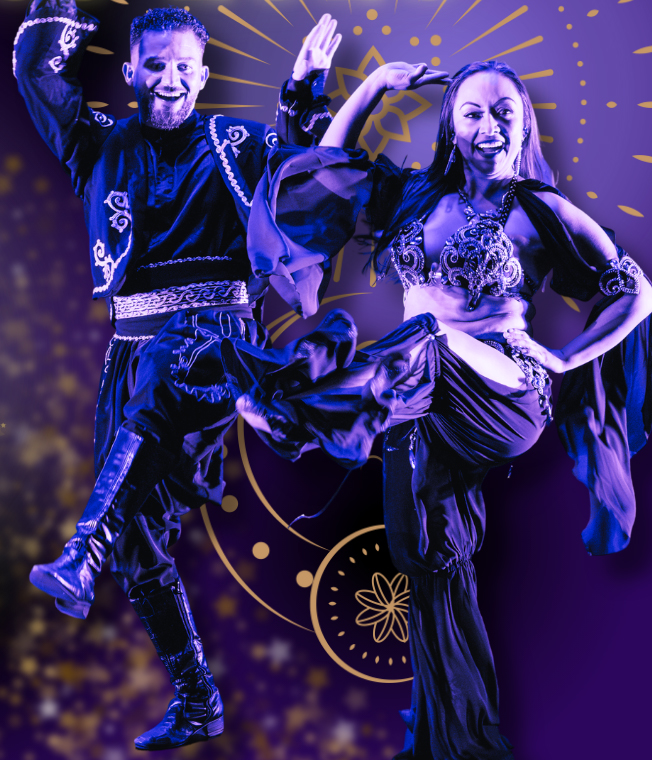
Modern Lebanese/Levantine dabke known for its powerful rhythm and high energy. Moussa and Sandra have created a dynamic choreography that blends the roots of traditional dabke with the intensity and athleticism of modern performance. With years of dedication to this art form, Moussa and Sandra bring their shared passion for Lebanese heritage to the stage, and together they are sharing a piece of Lebanese culture with all of us tonight.
Music: El Sa’a Wahde Bnos El Leil by Youssef El Malek
Choreography: Sandra and Moussa
Dancers: Sandra and Moussa
A Medley of Tap xxxxxxxxxxxxxx

Music:
1: Social Call by Jazzmeia Horn. Choreo by Ashley Gonzalez.
2: Summertime by Molly Johnson. Choreo by Ashley Gonzalez.
3: Bubble (Barbapapa’s Groove) by Barbatuques. Choreo by Valeria Pinhiero.
Dancers: Lyla Peterson, Brenna jones, Andelys Berberi, Amare Evans, Aliza Selbitschka, Eden Pfotenhauer, Olivia McDaniel, Emma Christopherson, Aili Keran
FFI: tapcompany.org
Garrotin
Untitled No. 1
.jpg)
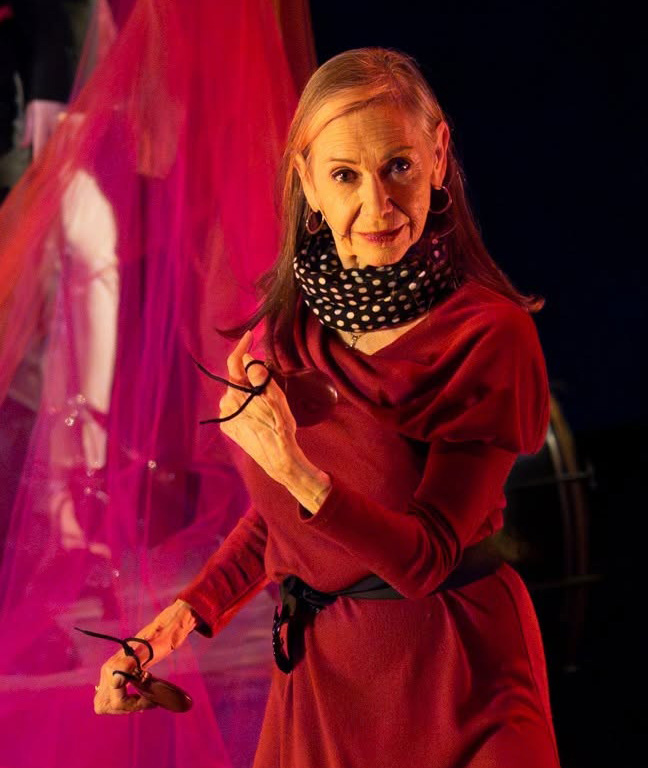
Originally choreographed in 2012, Untitled No. 1 draws inspiration from the paintings of Mark Rothko. Through contemporary movement, the work explores beginnings and endings, tracing the poignancy of our comings and goings while searching for meaning in the spaces between.
Music: Ernst Reijseger
Choreography: Ray Terrill
Dancers: Jack Fischer, Lillian Kline, Tessa Longshore
Costumes and Digital Backdrop: Ray Terrill
Duet from Transylvania
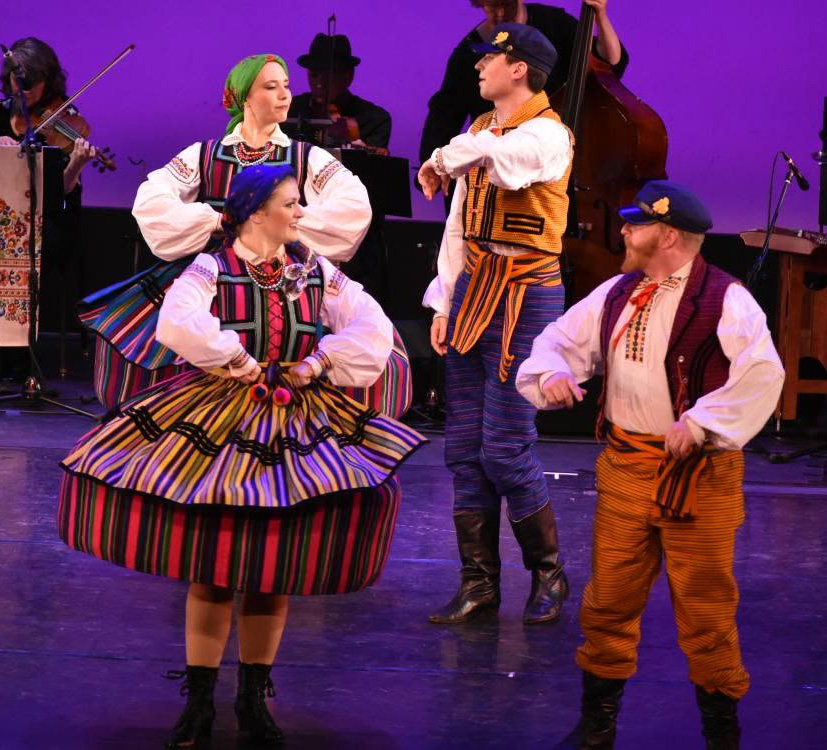
Nihavend & Şehnaz Longa
).jpg)
This performance is composed of two well-known 19th century Turkish instrumental compositions which are both classified as longas. In Turkish music, a longa is a fast, rhythmic, and lively instrumental piece. It is a popular Ottoman instrumental form, characterized by a main section typically in a 2/4 or 4/4 time signature, and it's considered a type of secular music in Turkish classical tradition. The first song is Nihavend Longa composed by Kevser Hanım, a female violinist and composer from the Ottoman Empire, in the nihavend makam. The second song, Şehnaz Longa is composed by Santuri Ethem Efendi, a very important figure from the last periods of santur (a musical instrument) music, in the şehnaz makam.
Both pieces are widely performed and have been arranged in various styles, from traditional instrumental versions to modern metal and acoustic covers.
Music: by Kevser Hanım & Santuri Ethem Efendi
Choreography: Nilay Engin
Dancer: Nilay
FFI: nilay.rocks
Caderona & Colombia Tierra Querida
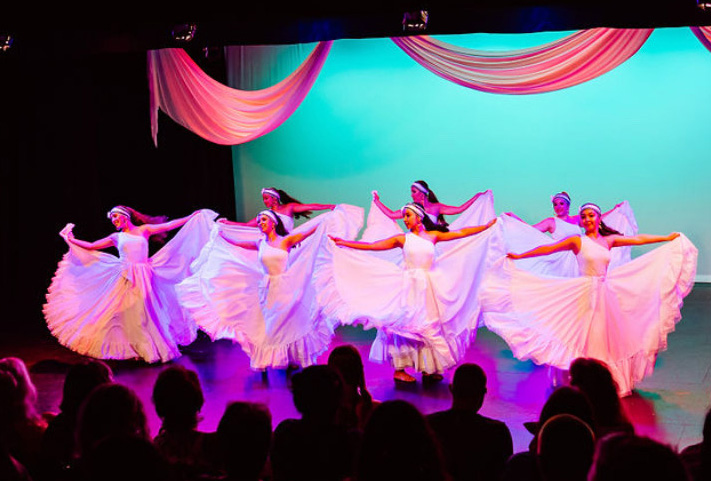
This performance showcases two of Colombia's most iconic musical traditions from different regions of the country. The first piece, Caderona, is inspired by the rhythms of Colombia's Pacific Coast, a region known for its strong Afro-Colombian heritage, energetic percussion, and vibrant dance traditions. The second piece, Colombia Tierra Querida, is a beloved cumbia from Colombia's Caribbean Coast. Cumbia is one of Colombia's most recognized musical genres, blending Indigenous, African, and Spanish influences, and is celebrated as a symbol of Colombian identity and pride.
Music: Caderona & Colombia Tierra Querida
Choreography: Diana Viteri &Lina Pinto
Dancers: Darling Kaeding Franco, Diana Viteri, Kris Garcia, Luis Castillo, Maren Gossard, Yamile Vega
Tabla
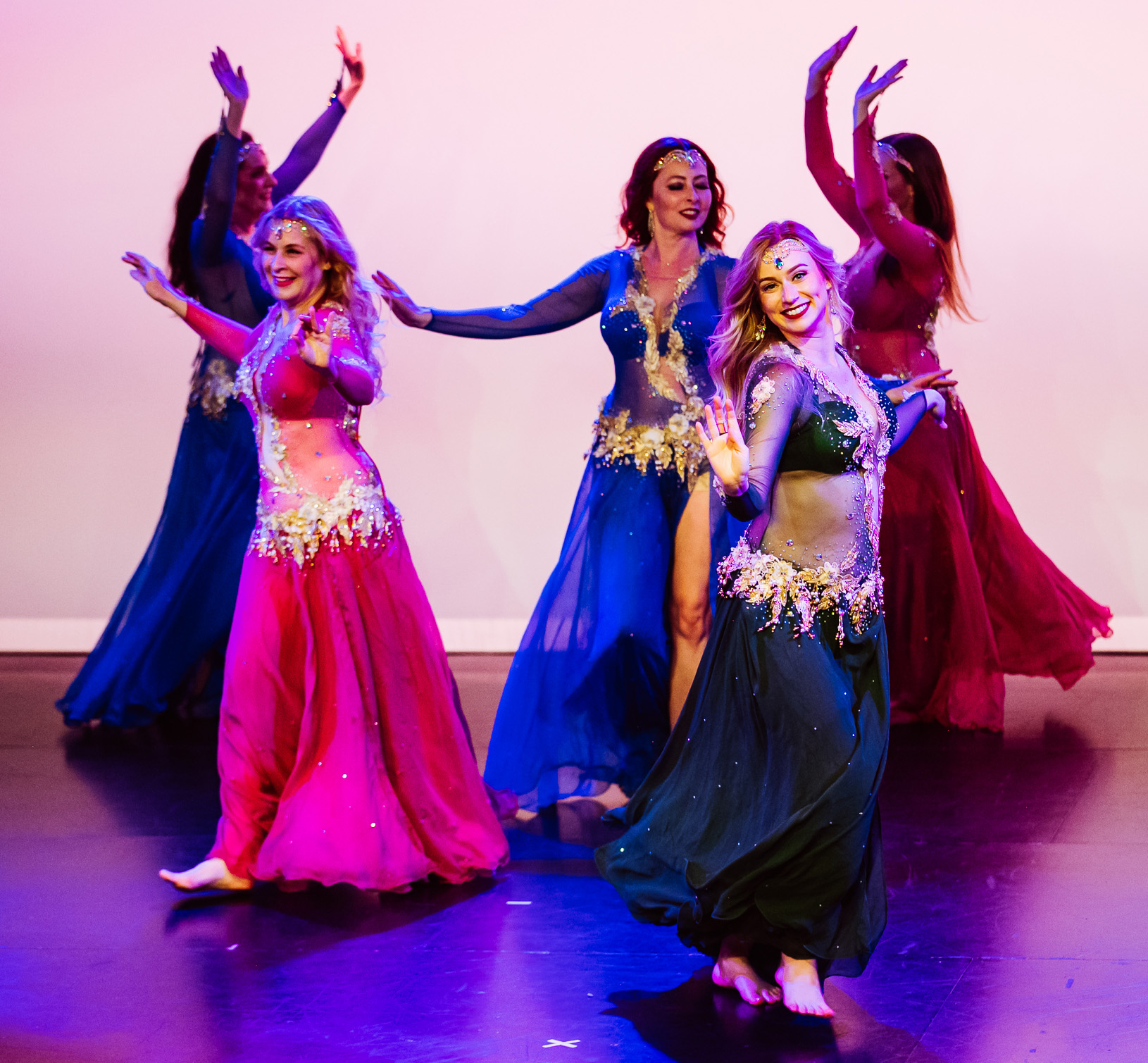
Sha'abi
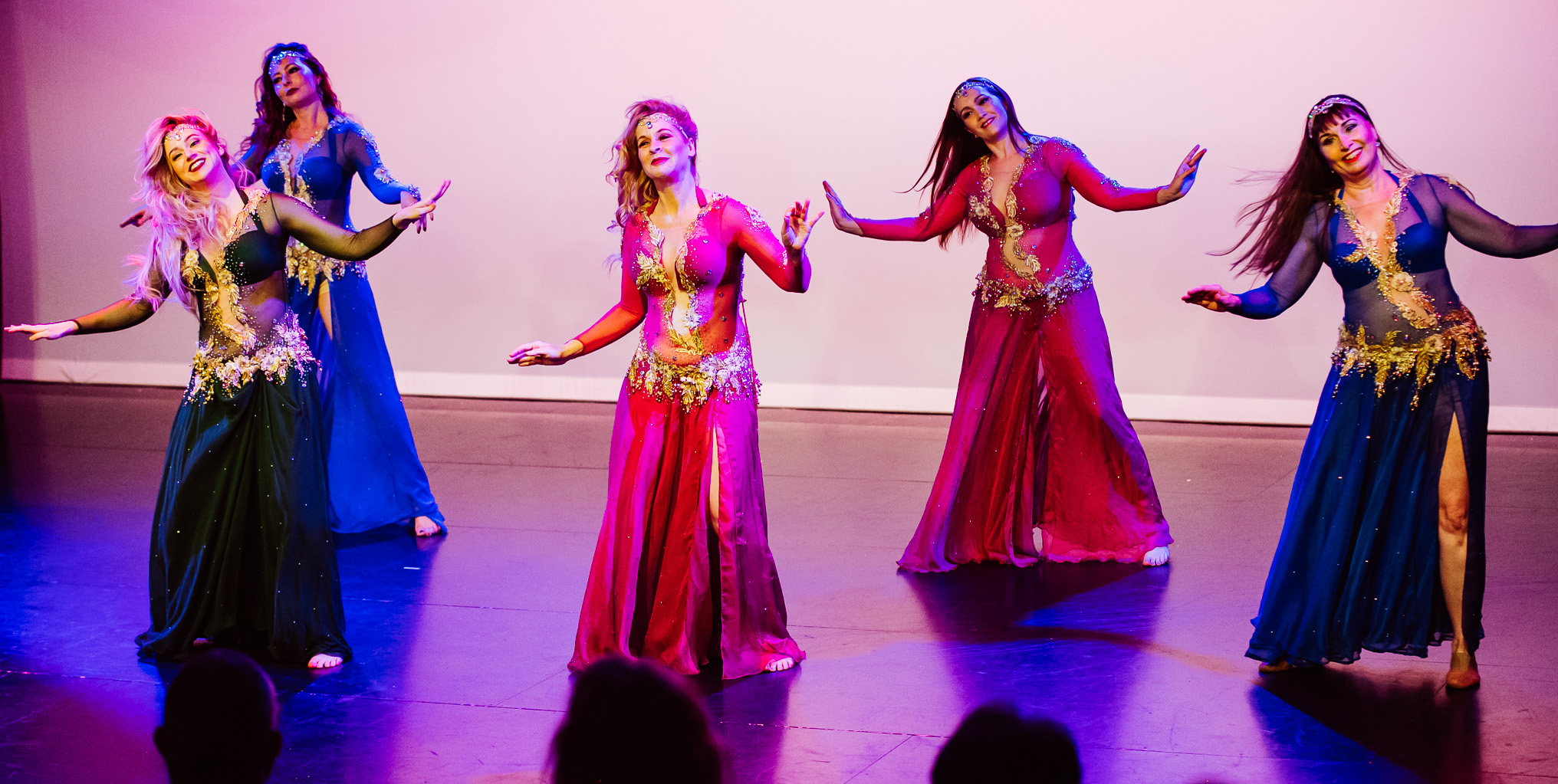
Sha'abi dance is a lively, grounded Egyptian working-class street style characterized by bouncy movements, playful attitude, and improvised social expression.
Music: Mekassarat by Ahmed Saad
Choreography: Lebanese Simon
Dancers: Theresa, Meghan, Miriam, Louise, Paula, Erin, Tonya
FFI: jawaahir.org
Habibi & Drum Solo
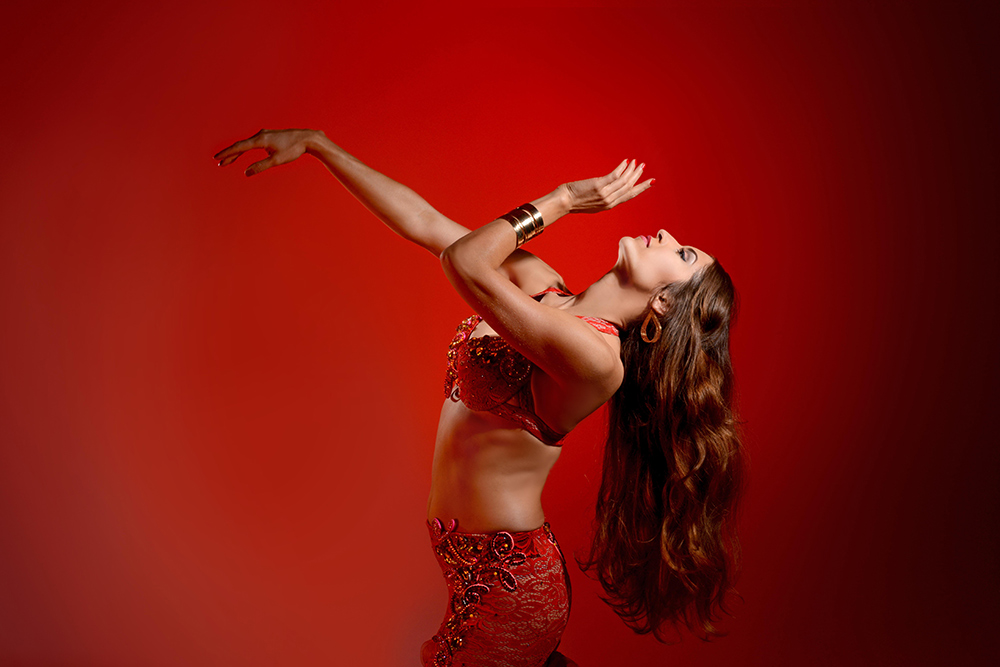
Music: Habibi Khader by Khader Ahmed & Drum Solo by Dr. Samy Farag
FFI: sadiebellydancer.com
Mapalé
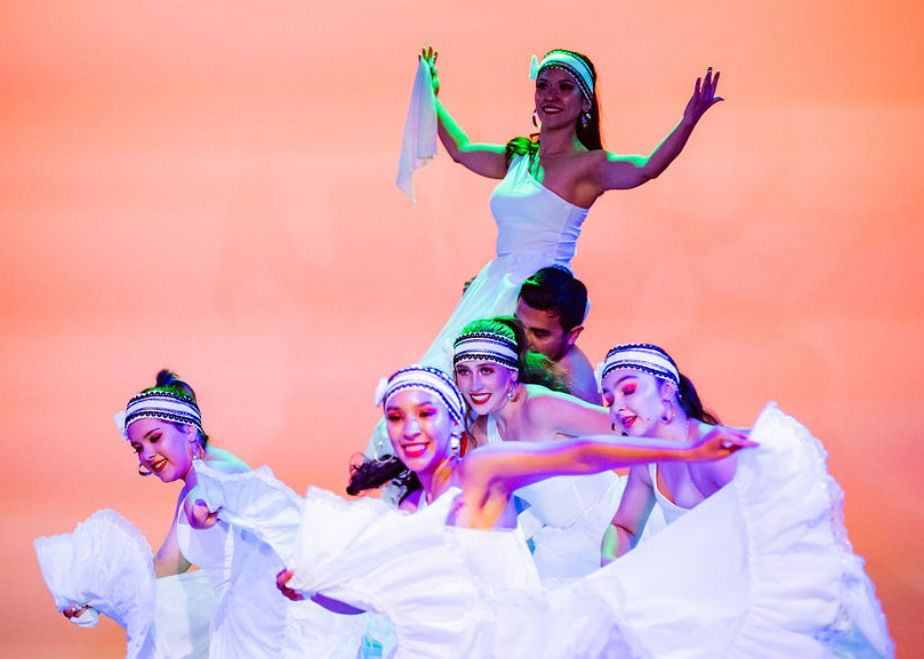
Mapalé is one of Colombia's most energetic and exciting traditional dances. It originated along the Caribbean Coast among Afro-Colombian fishing communities and reflects the strength, resilience, and joyful spirit of their culture. Known for its fast-paced rhythms, powerful drumbeats, and dynamic footwork, Mapalé is full of high-energy movements, quick steps, and expressive body motions that symbolize celebration, freedom, and community. Today, it is one of Colombia's most iconic folkloric dances and a vibrant expression of the country's rich African heritage.
Music: Mapalé
Choreography: Darling Kaeding Franco
Dancers: Darling Kaeding Franco, Diana Viteri, Kris Garcia, Luis Castillo, Maren Gossard, Yamile Vega
Deg Al Mani
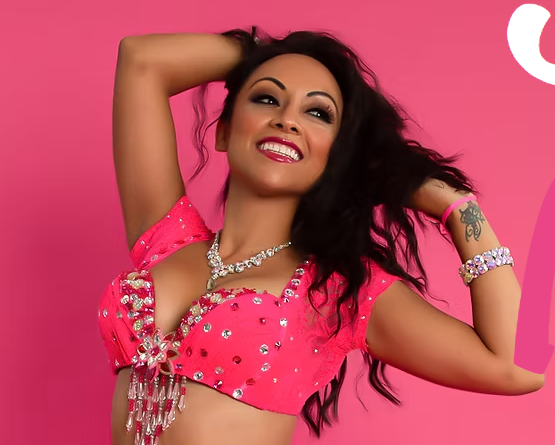
Dabke and Bellydance—the ultimate fusion of rhythm and power.
Music: Deg Al Mani by Fadi El Saadi
Choreography: Sandra
Dancer: Sandra
FFI: Instagram: itsnanidance
Lebnani
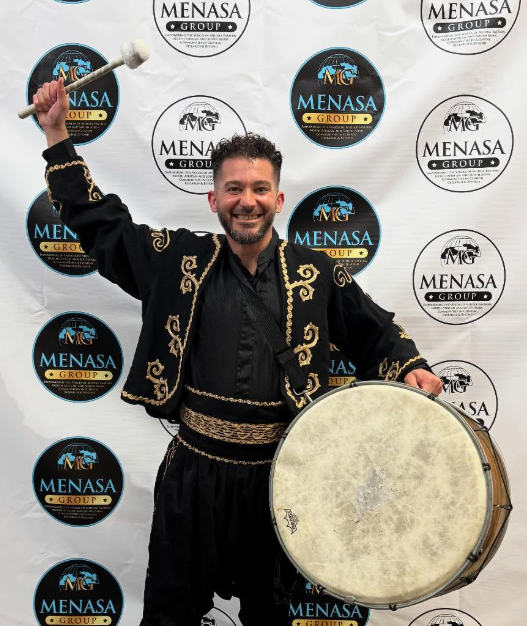
This isn’t just a dance—it’s a celebration of identity. Dabke is Lebanon’s traditional folk dance, performed at weddings, festivals, and moments that bring communities together. Today, as Lebanon continues to endure tremendous challenges, this choreography is more than entertainment. It’s a tribute to resilience, heritage, and the enduring spirit of the Lebanese people. Every stomp symbolizes strength, every synchronized step reflects unity, and every movement honors a culture that refuses to lose hope.
Music: Lebnani by Assi El Hallani
Choreography: Moussa
Dancer: Moussa
FFI: Instagram: movementwith_moussa
Women’s Pashto Duet
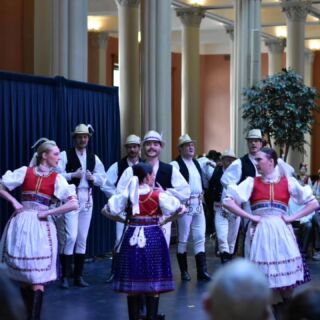
A women’s Pashto dance from Khyber Pahktunwa in Pakistan
Music: Lobha – Khyber Pakhtunwha
Night Wander
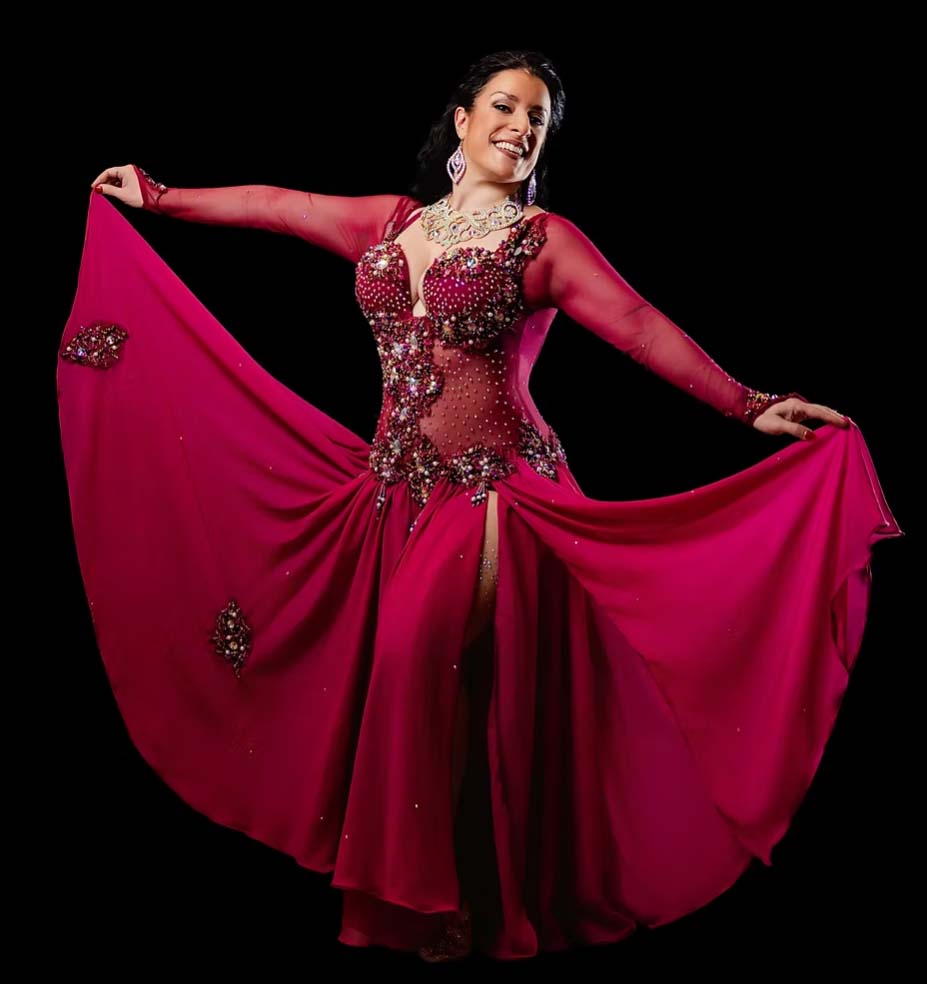
The singer expresses that late in the night, his mind wanders back to his love, the rooftops of the old houses, and all the places they walked together, riding the bicycle of his imagination back to the past. The lyrics also enter a philosophical realm and pose questions about the human condition. In terms of movement, this piece combines Raqs Sharqi with elements of lyrical dance.
Music: Night Wander by Faraj Suleiman
Choreography: Phaedra
Dancer: Phaedra
Daughters of Ra

‘Daughters of Ra’ come together to create, celebrate and continue to keep the ancestors alive thru the ritual of life.
“Together we rise.”
“Hathor symbolizes: Joy, music, dance, cosmic mother, sacred sound.
Isis symbolizes: Magic, devotion, resurrection, protection, divine feminine authority.
Together, they create a powerful polarity.” —Bianca Namaste
Vanessa dedicates this piece to Cassandra Shore, Founder and Creator of Jawaahir Dance Company. May her legacy continue to live on. We honor her now and forever.
Egyptian Goddess Hathor: Vanessa
Egyptian Goddess Isis: Sadie
High Priestess: Louise
Priestesses: Theresa, Meghan, Miriam, Tonya, Erin, Paula
Concept: Vanessa and Sadie
Director: Vanessa
Music: The Temple of Isis by Diane Arkenstone
Choreography: Vanessa, Sadie, and Jawaahir Dance Company
FFI: jawaahir.org
Soireé Lights & Sound: Laina Grendle
Soireé Stage Manager: Vanessa of Cairo
Jawaahir Artistic Director: Vanessa of Cairo
Jawaahir Rehearsal Director: Helen Voelker
Vanessa would like to thank Theresa, Louise, all Jawaahir members, Elision Playhouse, all the wonderful performers who have dedicated their time and energy for this show, Eileen and Terry, Oriana of Fanoos Magazine, Cath Petersen, and The Guild of Middle Eastern Dance.
Jawaahir would also like to thank our Board of Directors: Oriana Brooks, Eileen Goren, Theresa Kane, Cathy Petersen, Hilary Smith, Vanessa of Cairo.
Thank you to all of our donors and patrons, and of course, to the I.A. O’Shaughnessy Foundation for supporting Jawaahir Dance Company.